Sushi Ran x Albert Heijn
From old school Japan to new school snack
Client
Sushi Ran
Services
Tone of Voice, Brand Identity Design, Art Direction, Packaging & Print
The context
Onigiri has been a Japanese snack for centuries, a hand-pressed rice ball wrapped in nori, built for (healthy) eating on the go. But somewhere between the convenience store and the Western snack aisle, it lost its personality. So how do you introduce an iconic Japanese street food to a new generation and actually stand out on the shelf?
The context
Onigiri has been a Japanese snack for centuries, a hand-pressed rice ball wrapped in nori, built for (healthy) eating on the go. But somewhere between the convenience store and the Western snack aisle, it lost its personality. So how do you introduce an iconic Japanese street food to a new generation and actually stand out on the shelf?
The context
Onigiri has been a Japanese snack for centuries, a hand-pressed rice ball wrapped in nori, built for (healthy) eating on the go. But somewhere between the convenience store and the Western snack aisle, it lost its personality. So how do you introduce an iconic Japanese street food to a new generation and actually stand out on the shelf?

The idea
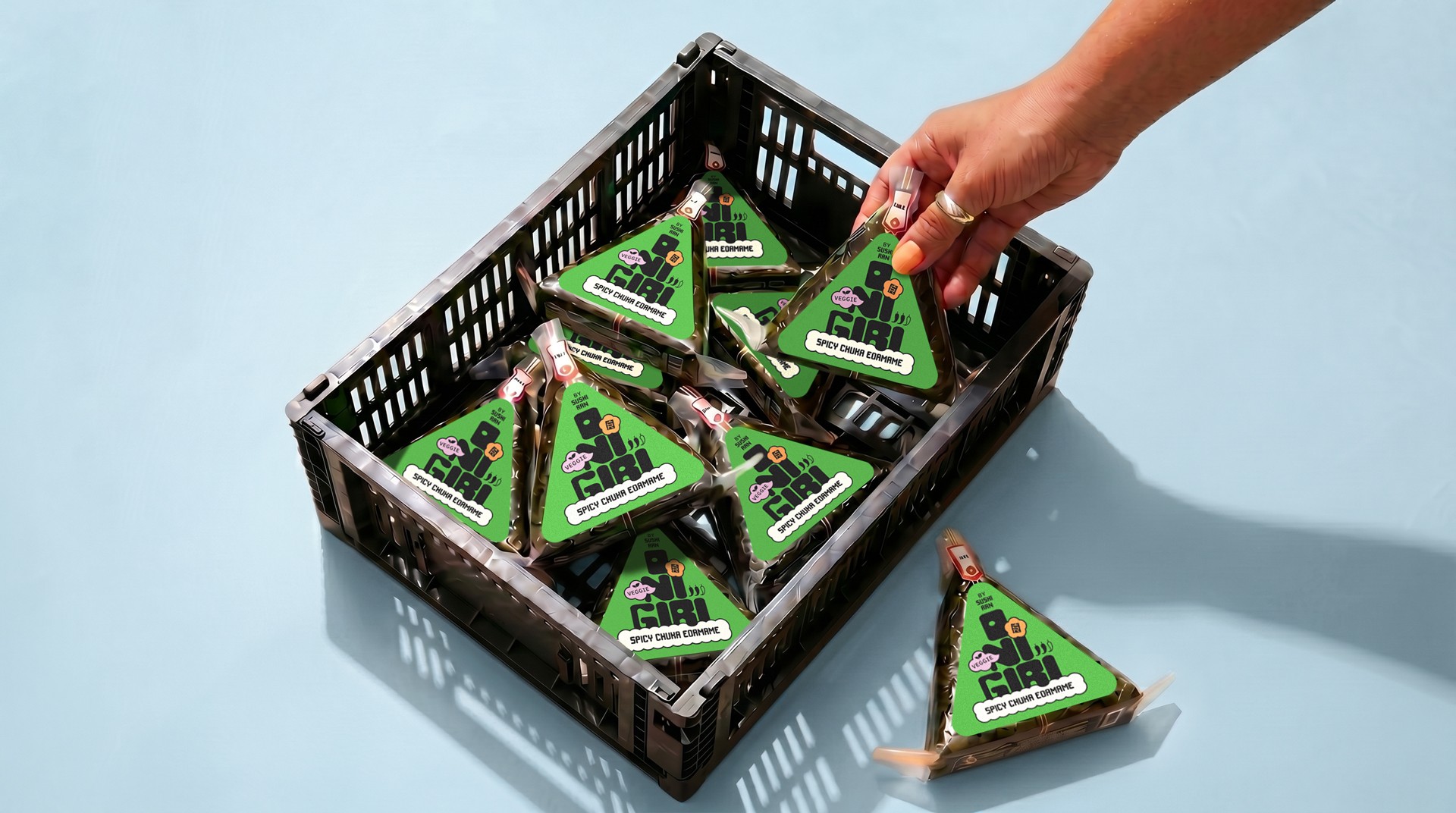
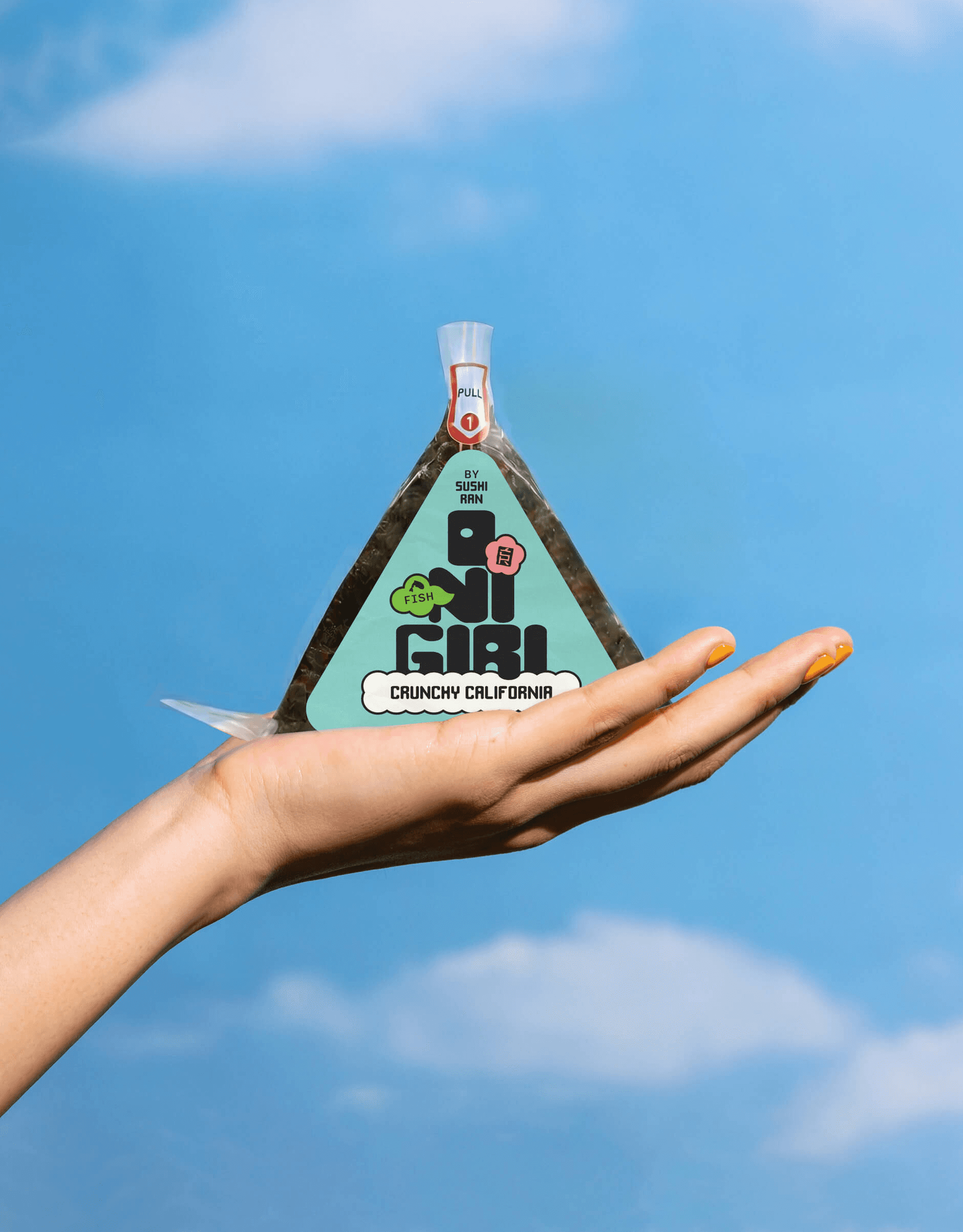
By leaning all the way into a culture that entertains all: Japanese 90s gaming. Nostalgic for those who lived it, irresistible (relevant) for those who didn't. The loud, pixelated energy of 90s arcade halls and Game Boys creates the perfect foundation for a food packaging system that's as entertaining as it is recognisable. Because fast food doesn't have to mean bad food.
The idea
By leaning all the way into a culture that entertains all: Japanese 90s gaming. Nostalgic for those who lived it, irresistible (relevant) for those who didn't. The loud, pixelated energy of 90s arcade halls and Game Boys creates the perfect foundation for a food packaging system that's as entertaining as it is recognisable. Because fast food doesn't have to mean bad food.
The idea
By leaning all the way into a culture that entertains all: Japanese 90s gaming. Nostalgic for those who lived it, irresistible (relevant) for those who didn't. The loud, pixelated energy of 90s arcade halls and Game Boys creates the perfect foundation for a food packaging system that's as entertaining as it is recognisable. Because fast food doesn't have to mean bad food.
The creation
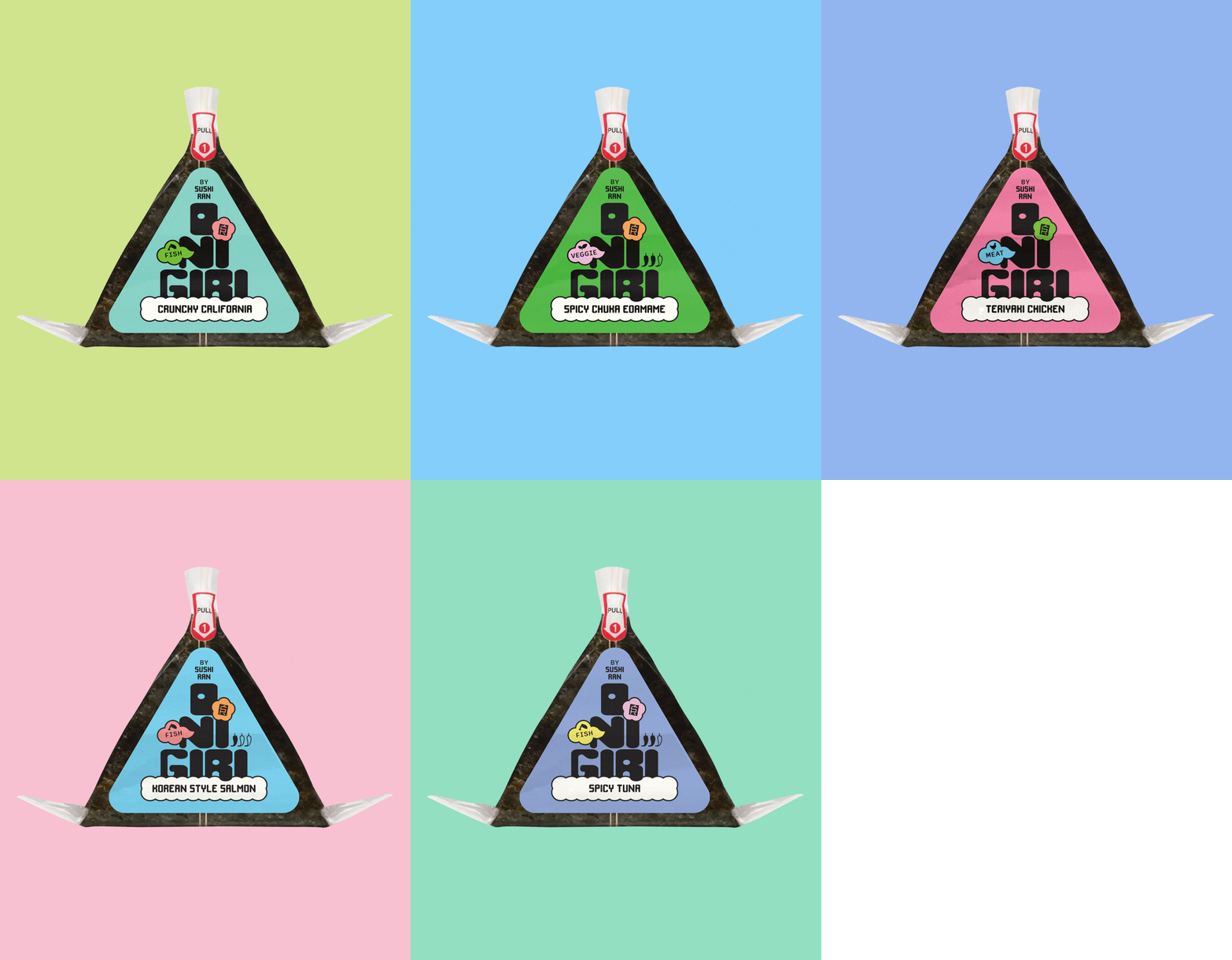
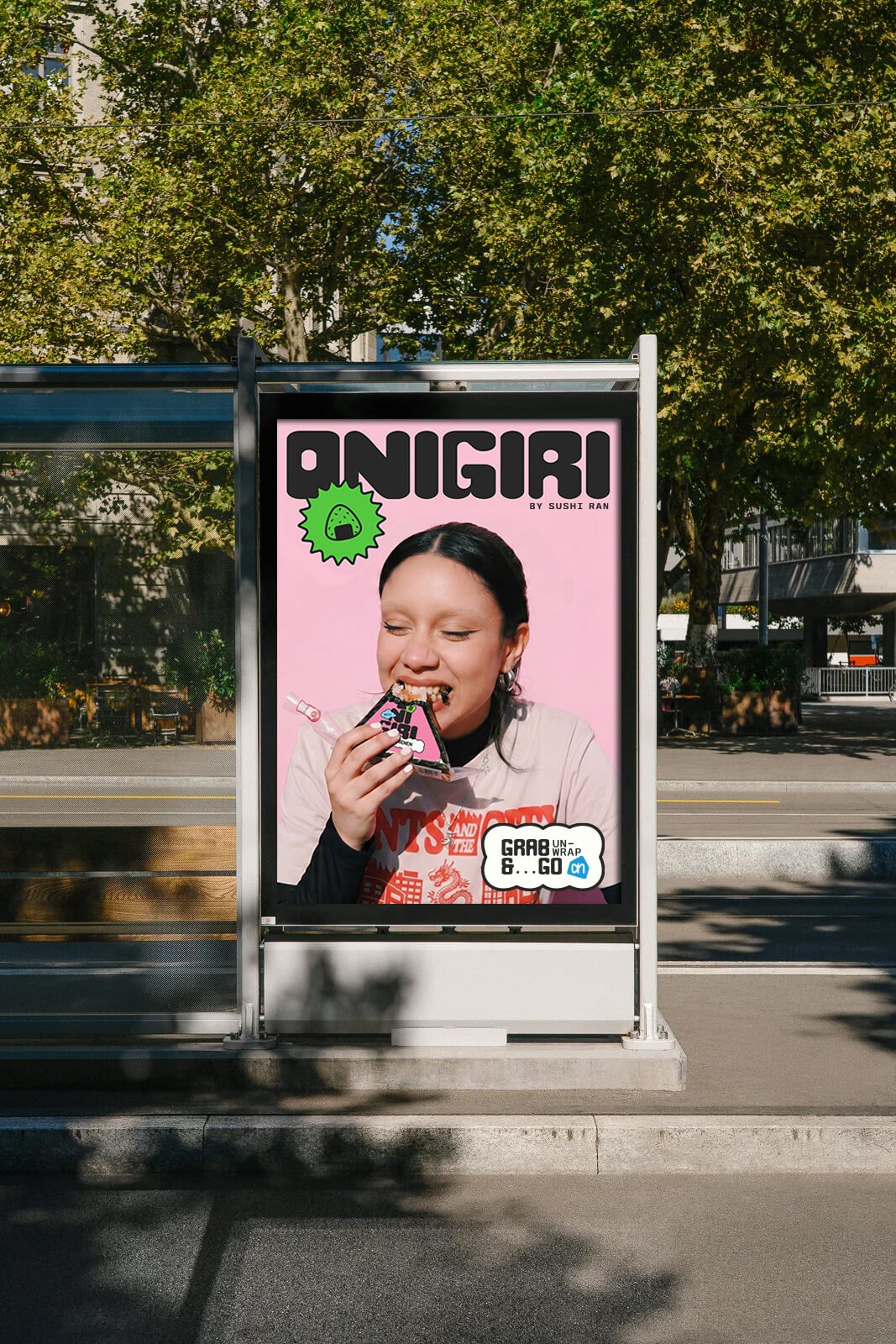
Every great game is built upon levels and so is this identity. A bold, typography-driven design system pulls directly from the aesthetics of 90s Japanese gaming. Chunky, rounded letterforms stacked and oversized, high contrast color drops, and sticker-like elements that feels like a HUD screen wrapped around your lunch. The packaging doesn't just hold the snack, it levels it up.
The creation
Every great game is built upon levels and so is this identity. A bold, typography-driven design system pulls directly from the aesthetics of 90s Japanese gaming. Chunky, rounded letterforms stacked and oversized, high contrast color drops, and sticker-like elements that feels like a HUD screen wrapped around your lunch. The packaging doesn't just hold the snack, it levels it up.
The creation
Every great game is built upon levels and so is this identity. A bold, typography-driven design system pulls directly from the aesthetics of 90s Japanese gaming. Chunky, rounded letterforms stacked and oversized, high contrast color drops, and sticker-like elements that feels like a HUD screen wrapped around your lunch. The packaging doesn't just hold the snack, it levels it up.




More to View